
Gemstones
Natural Diamond Buying Guide: The 4Cs, Certificates and Sourcing
How natural diamonds are graded on cut, colour, clarity and carat, which certificates to look for, and how to choose diamonds for jewellery.
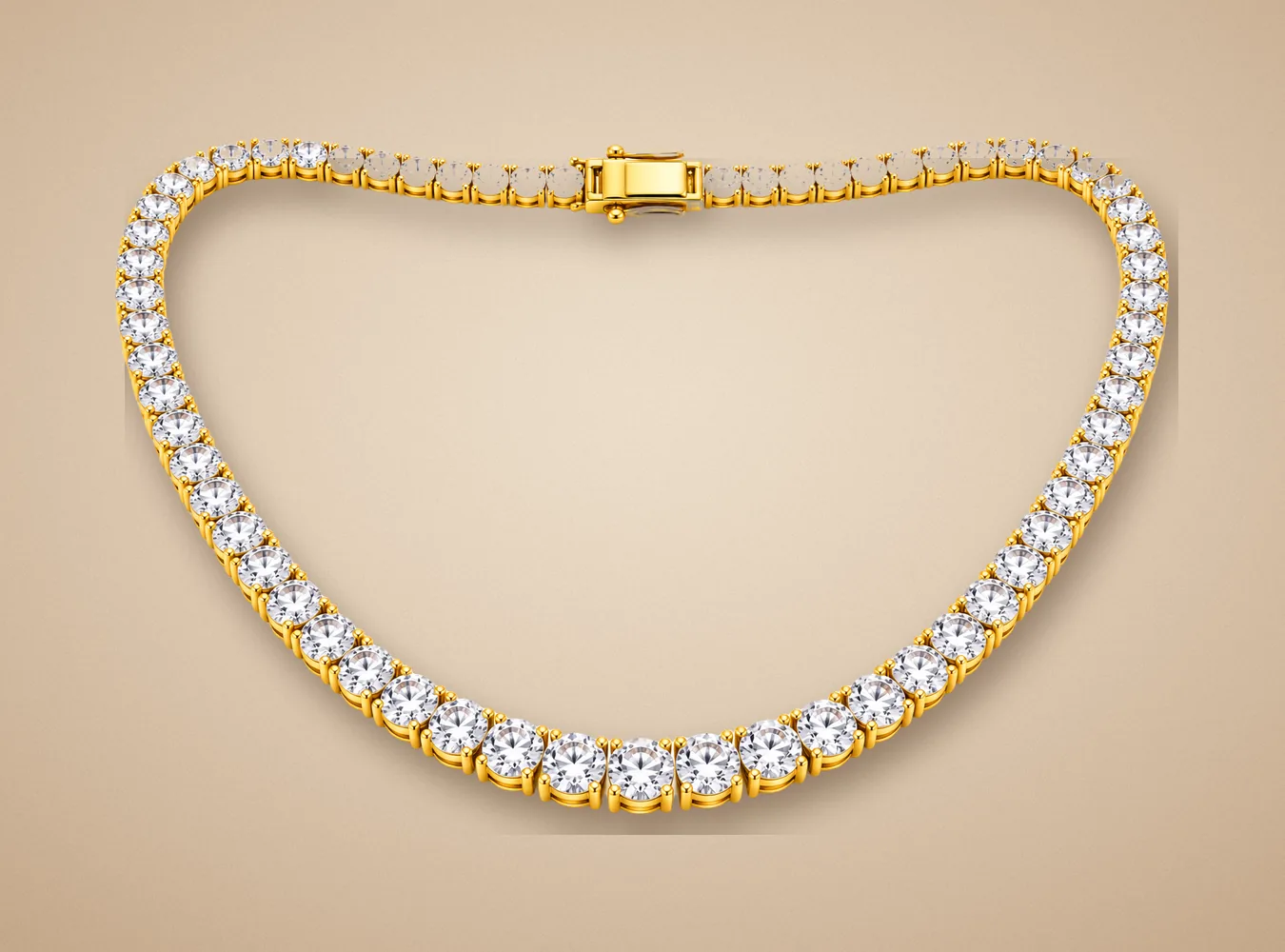
What makes a diamond natural
A natural diamond is pure carbon that crystallised deep inside the earth, under intense heat and pressure, most of them more than a billion years ago. Volcanic eruptions carried them closer to the surface, where they are mined today.
Diamond is the hardest natural material, rating 10 on the Mohs scale. That hardness is why diamonds take such a sharp polish and keep their sparkle for generations.
Cut: where the sparkle comes from
Of the four Cs, cut has the biggest effect on how a diamond looks. A well-cut diamond returns light to your eye as brightness and flashes of colour. A poorly cut one looks dull or dark in the centre, even if its colour and clarity grades are high.
For round brilliant diamonds, look for a cut grade of Excellent or Ideal. Fancy shapes such as oval, pear, emerald, princess and cushion are judged more by proportions and by eye, so ask to see photos or videos before you commit.
Colour: D to Z
Diamond colour is graded from D, which is completely colourless, to Z, which has a noticeable yellow or brown tint. D to F are colourless, and G to J are near colourless.
Setting matters here. A G or H diamond looks white in platinum or white gold. In yellow gold, even an I or J can look white, because the metal reflects warm tones into the stone. That is a simple way to get a bigger or better-cut diamond for the same budget.
Clarity: FL to I3
Clarity describes the tiny internal features, called inclusions, and surface marks that almost every diamond has. The scale runs from FL (flawless) and IF (internally flawless) through VVS1, VVS2, VS1, VS2, SI1 and SI2, down to I1, I2 and I3.
Most inclusions in VS and good SI diamonds cannot be seen without magnification. Look for an eye-clean diamond rather than chasing the highest grade. That money is often better spent on cut.
Carat weight
One carat equals 0.2 grams. Prices rise sharply at popular weights such as 0.50, 1.00 and 1.50 carats. A 0.90 carat diamond looks almost the same size as a 1.00 carat stone but can cost noticeably less, so it is worth looking just below those round numbers.
Certificates you can trust
For centre stones, ask for a grading report from an independent lab such as GIA, IGI or HRD. Many certified diamonds also have the report number laser inscribed on the girdle, the thin outer edge of the stone, so you can match the diamond to its report under a loupe.
Small diamonds used in pave, halo and tennis settings, called melee, are not usually certified one by one. They are bought in parcels and graded as a range, for example GH colour and VS-SI clarity. Ask your manufacturer to confirm the range in writing.
Responsible sourcing
Rough diamonds traded internationally fall under the Kimberley Process, which was set up in 2003 to stop conflict diamonds from entering the market. Many suppliers also add a System of Warranties statement on their invoices, confirming the diamonds come from responsible sources.
India plays a central role in the industry. Surat, in Gujarat, cuts and polishes the large majority of the world's diamonds.
Choosing diamonds for a jewellery line
In production, consistency matters as much as quality. A tennis bracelet with 50 stones only looks right if every stone is a close match in colour, clarity and size. Specify a colour and clarity range, the stone size in millimetres and the shape for every design, and keep the approved sample as your reference.
Frequently asked questions
Which of the 4Cs matters most?
Cut has the biggest effect on sparkle, so it is usually the best place to spend your budget. After that, balance colour and clarity so the diamond looks white and clean to the eye.
Is a GIA certificate better than an IGI certificate?
Both are widely recognised. GIA is often considered the strictest benchmark for natural diamonds, and IGI is very widely used, especially in India. What matters most is that the report comes from an independent lab and matches the stone.
Can you tell a natural diamond from a lab-grown diamond by eye?
No. Natural and lab-grown diamonds look the same, even to trained jewellers. They can only be separated with specialist laboratory equipment.
What is melee in jewellery?
Melee is the trade term for small diamonds, usually under about 0.20 carat, used in pave, halo, eternity and tennis settings.
Do natural diamonds hold their value?
Natural diamonds keep more of their value than most alternatives, but there is a large gap between retail and resale prices. They are best bought for wearing and enjoying rather than as an investment.
Workshop Checklist
Put it into practice
Prioritise cut, choose colour to suit the metal, aim for eye-clean clarity, and ask for an independent report on centre stones. For melee, agree the colour, clarity and size range in writing before production.