
Materials
Pt950 Platinum Jewellery: A Guide for Buyers and Brands
What Pt950 means, how platinum compares with white gold, why it weighs more, and what to expect from platinum rings and bands over years of wear.
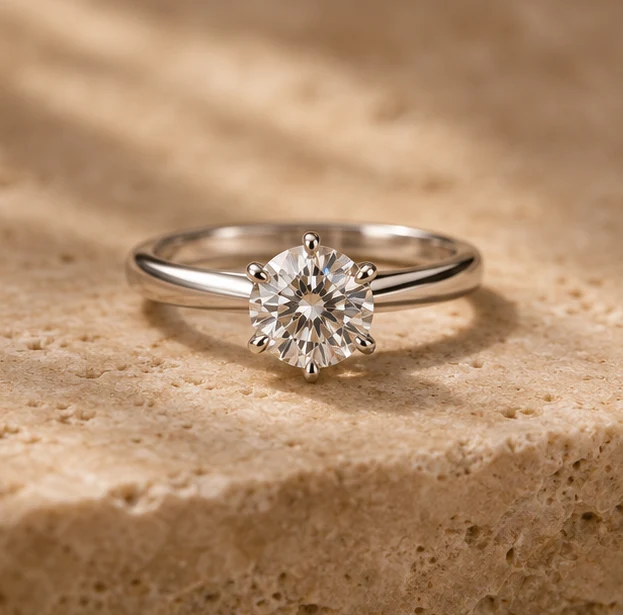
What Pt950 means
Pt950 means the metal is 95% pure platinum. The remaining 5% is usually ruthenium, iridium or cobalt, added to adjust hardness and make the metal easier to cast and polish.
That high purity is one of platinum's biggest selling points. An 18K white gold ring is 75% gold, but a Pt950 ring is almost entirely platinum. Pt950 is the standard for fine platinum jewellery in India, Europe and the United States. You may also see Pt900, which is common in Japan.
Platinum vs white gold
Both look white, but they get there in different ways. Platinum is naturally white and stays that way. White gold is usually rhodium plated to look bright white, and that plating wears off over time and needs to be redone.
Platinum also feels different. It is denser, so it is heavier in the hand, and it wears differently, as explained below. White gold is lighter and costs less, which makes it a good choice when the budget is tight or the design is large.
Why platinum is heavier
Platinum is one of the densest metals used in jewellery. The same ring design made in Pt950 will weigh roughly a third more than it does in 18K gold. Many customers read that weight as a sign of quality.
It also explains why platinum pieces cost more even in years when the price of platinum per gram is close to, or below, the price of gold. You are paying for more metal, at a higher purity, with more labour to finish it.
How platinum wears: the patina
When gold is scratched, a tiny amount of metal is lost. When platinum is scratched, the metal mostly moves aside rather than wearing away. Over time this creates a soft, satin look called patina.
Some people love the patina and keep it. Others prefer the mirror shine, and a jeweller can polish it back at any time. Because platinum keeps its metal, prongs and settings stay strong for many years, which is why it is so often chosen for engagement rings and diamond settings.
A good choice for sensitive skin
Because Pt950 is so pure, it is generally well tolerated by people with metal allergies. There is no plating to wear through and no nickel in standard platinum alloys.
Why platinum is harder to make
Platinum melts at around 1,768°C, compared with about 1,064°C for gold. It needs induction casting, special investment materials and tools kept separate from gold to avoid contamination. Polishing also takes longer, because the metal is dense and tough.
Our Mumbai workshop has dedicated high-temperature induction casting machines for platinum, so Pt950 pieces are cast in-house rather than sent out.
What to look for when buying platinum
Look for a Pt950 stamp along with the maker's mark. Ask for the finished metal weight in grams and a certificate or invoice that states the platinum purity. For a brand, it is also worth confirming how the workshop handles resizing and repolishing, since platinum needs specialist equipment.
Frequently asked questions
Is platinum better than gold for an engagement ring?
Platinum is naturally white, very durable and holds stones securely, which makes it an excellent choice for engagement rings. Gold is lighter, comes in more colours and costs less. The right choice depends on the look, feel and budget you want.
Does platinum tarnish?
No. Platinum does not tarnish or change colour. Over time it develops a soft satin patina, which can be polished back to a bright shine.
Does platinum need rhodium plating?
No. Platinum is naturally white. Some pieces are rhodium plated for an extra bright finish when new, but it is not needed to keep the colour.
Can a platinum ring be resized?
Yes, platinum rings can be resized by a jeweller with the right equipment for platinum, usually with a high-temperature torch or laser welder.
Why is platinum jewellery more expensive than white gold?
A platinum piece contains more metal because platinum is denser, the metal is 95% pure instead of 75%, and it takes more time and specialist equipment to cast and polish.
Workshop Checklist
Put it into practice
Choose platinum for pure white colour, weight and secure settings. Ask for the finished Pt950 weight, check the stamp, and approve a sample to see the colour and finish before production.